







iPhone User takes expertise from highly regarded design and editorial teams to deliver to you the ultimate Apple iPhone magazine. BDM’s iPhone User Magazine brings you the very best app and hardware reviews and all the latest technical help for your iOS powered smartphone. This is the publication you will need to keep you ahead when it comes to the insider’s must know software and hardware info and technical help. If you use an iPhone you need to click subscribe to this magazine! 100% unofficial.

In a single operation, Antidote’s corrector flags a wide variety of errors: from capitalization and verb agreement to unwelcome commas and redundancies. Hover over an error to see suggested corrections and see their explanations pop up in a tooltip, then click to confirm them. After correcting spelling and grammar, move on to typography and style, where you will be warned about any repeated words or commonplace verbs. Even dates and numbers can be flagged thanks to the 200 smart filters that highlight relevant passages. No software has ever given you so much power to refine your writing.
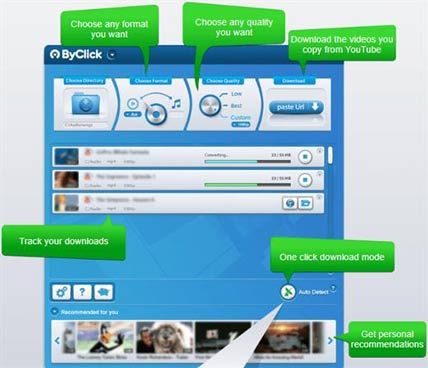
programming gives you definitive video downloading knowledge. Download YouTube By Click now, and appreciate an exceptionally quick download rate. ByClick Downloader For PC naturally connects craftsman name and title name for each downloaded mp3, bolsters HD recordings, underpins downloading extremely long recordings (considerably longer than 60 minutes), underpins downloading of YouTube captions, download Instagram client photographs.
Jun
19
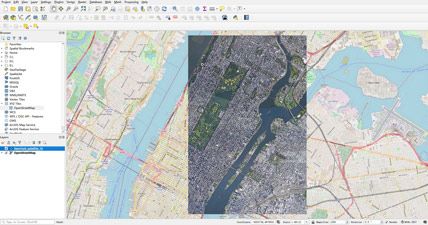
Allallsoft Google Maps Downloader is a tool that help you to get small tile map images from Google Maps. All downloaded small images are saved on the disk. You can view downloaded maps by Map Viewer Or you can combine them into a big BMP map.
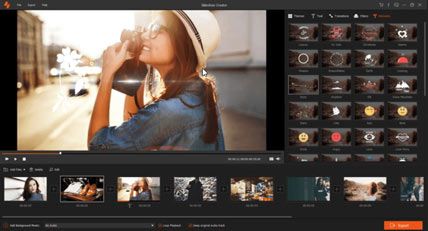
Slideshow Creator is the best movie maker and video editor. It will add life to your photos by turning them into video and adding background music. Any photo formats are supported, including JPG, JPEG, PNG, BMP, TIF, TIFF, ICO, DIB, JFIF, EMF and GIF. This is a great way to share your stories and memories after your wedding, birthday party, or graduation. Also, if you have several video clips shot in your journey, you can use this movie maker to turn them into your own movie. Turning your photos and videos into movie, and adding your own narration or music files as the background sound, these are basic and main functions of this Slideshow Creator.

Jinkies! This raucous reimagining of the Scooby-Doo franchise unravels the mysterious origins of Mystery, Inc. – as seen through the eyes of the gang’s beloved bespectacled detective Velma.

From classic, competition-winning recipes to boundary-pushing ‘que, join the founder of Meat Mitch competition BBQ team and Char Bar Smoked Meat and Amusements for a BBQ Revolution!
Mitch Benjamin has helped open BBQ restaurants in Paris, served his smoked meat to baseball legends at Yankee Stadium, and taken home some serious hardware from just about every major BBQ competition. In this book, he throws open the doors to his kitchen (or as he calls it, his “Mitchen”) and takes BBQ on a wild ride! The book starts with his behind the scenes look at competition BBQ and smoking, then winds its way through chapters both classic and creative
Learn the ins and outs of competition BBQ, including some of Mitch’s award-winning recipes for sauces, rubs, and meats from brisket and burnt ends to short ribs and pork butt.
Jun
19

From the creator of Clean Eating Kitchen, Michelle Dudash presents The Low-Carb Mediterranean Cookbook with simple, plant-focused recipes for lifelong health.
The Mediterranean diet holds the top rank for being easy to follow and delivering proven results for improved heart health and blood sugar management, decreased risk of cancer, and increased longevity. This cookbook combines the best aspects of the Mediterranean diet with more than 100 nutritious recipes that help the whole family eat clean including 60 meals that can be prepared in 30-minutes or less.
Jun
19

This book brings together papers presented at the 2021 International Conference on Communications, Signal Processing, and Systems, which provides a venue to disseminate the latest developments and to discuss the interactions and links between these multidisciplinary fields. Spanning topics ranging from communications, signal processing and systems, this book is aimed at undergraduate and graduate students in Electrical Engineering, Computer Science and Mathematics, researchers and engineers from academia and industry as well as government employees (such as NSF, DOD and DOE).