
A family man struggling to hold it all together discovers a hidden parlor that offers a solution…sexbots.








A family man struggling to hold it all together discovers a hidden parlor that offers a solution…sexbots.
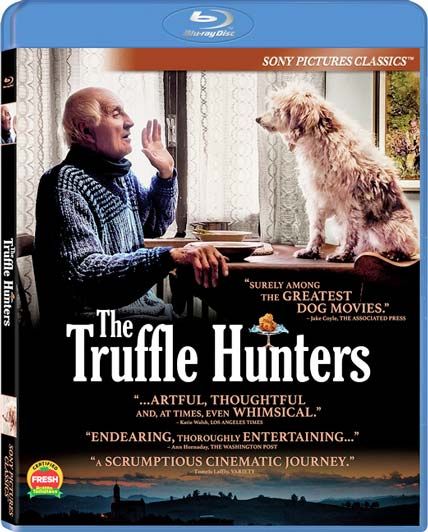
Deep in the forests of Northern Italy resides the prized white Alba truffle. Desired by the wealthiest patrons in the world, it remains a pungent but rarified mystery. It cannot be cultivated or found, even by the most resourceful of modern excavators. The only souls on Earth who know how to dig it up are a tiny circle of canines and their silver-haired human companions-Italian elders with walking sticks and devilish senses of humor-who only scour for the truffle at night so as not to leave any clues for others. Still, this small enclave of hunters induces a feverish buying market that spans the globe. With unprecedented access to the elusive truffle hunters, filmmakers Michael Dweck and Gregory Kershaw (The Last Race, 2018 Sundance Film Festival) follow this maddening cycle from the forest floor to the pristine restaurant plate. With a wily and absurdist flare, The Truffle Hunters captures a precarious ritual constantly threatened by greed and outside influences but still somehow protected by those clever, tight-lipped few who know how to unearth the magic within nature.

Finally free from torture and slavery at the hands of Tod’s uncle Jack, and from Mr. White, Jesse must escape demons from his past. He’s on the run from a police manhunt, with his only hope of escape being Saul Goodman’s hoover guy, Ed Galbraith. A man who for the right price, can give you a new identity and a fresh start. Jesse is racing against the clock, with help from his crew, avoiding capture to get enough money together to buy a ‘new dust filter for his Hoover MaxExtract PressurePro model’, a new life.

When a massive fire kills their parents, three children are delivered to the custody of cousin and stage actor Count Olaf, who is secretly plotting to steal their parents’ vast fortune.

A young killer experiences intense pleasure whenever she hears the sound of human pain.

Owned’ is a fever dream vision into the dark history behind the US housing economy. Tracking its overtly racist beginnings to its unbridled commoditization, the doc exposes a foundational story few Americans understand as their own.
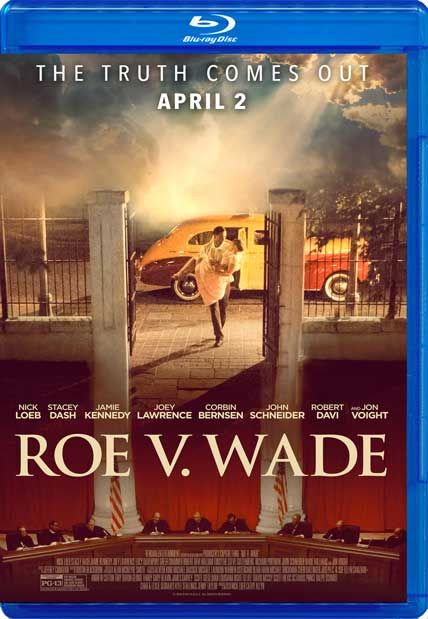
Dr. Bernard Nathanson and Dr. Mildred Jefferson square off in a national battle in this untold conspiracy that led to the most famous and controversial court case in history.
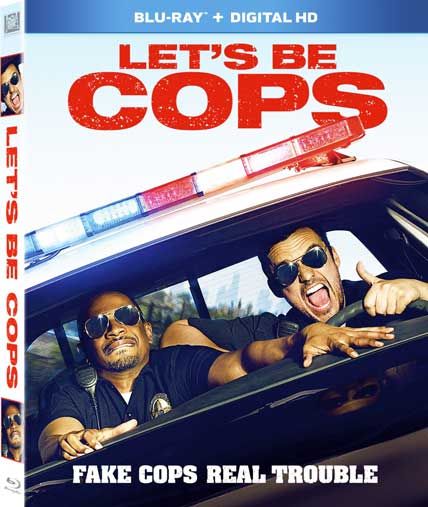
It’s the ultimate buddy cop movie except for one thing: they’re not cops. When two struggling pals dress as police officers for a costume party, they become neighborhood sensations. But when these newly-minted “heroes” get tangled in a real life web of mobsters and dirty detectives, they must put their fake badges on the line.
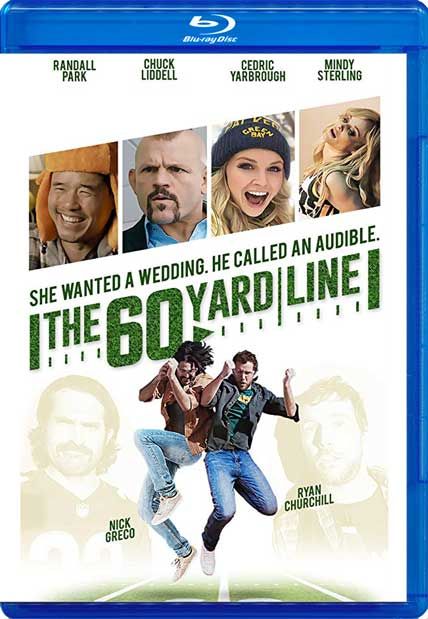
Based on a true story. Set during the 2009 Football season. Ben ‘Zagger’ Zagowski and Nick ‘Polano’ Polano, best friends and co-workers, buy a house in the parking lot of Lambeau Field (home of the Packers), and are forced to pick between a football fan lifestyle and a girl. Lives change. There’s a cow.
Stanley Kubrick’s striking visual interpretation of Anthony Burgess’s famous novel is a masterpiece. Malcolm McDowell delivers a clever, tongue-in-cheek performance as Alex, the leader of a quartet of droogs, a vicious group of young hoodlums who spend their nights stealing cars, fighting rival gangs, breaking into people’s homes, and raping women.
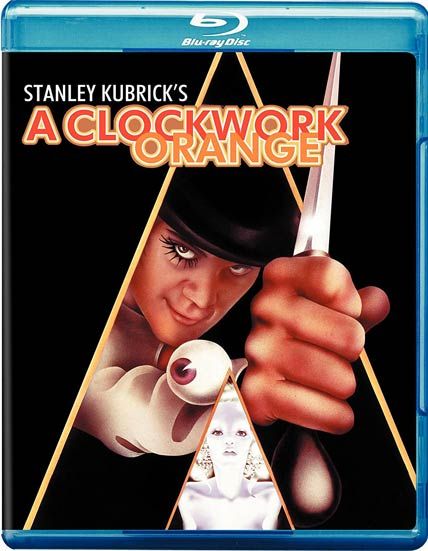
While other directors would simply exploit the violent elements of such a film without subtext, Kubrick maintains Burgess’s dark, satirical social commentary. We watch Alex transform from a free-roaming miscreant into a convict used in a government experiment that attempts to reform criminals through an unorthodox new medical treatment. The catch, of course, is that this therapy may be nothing better than a quick cure-all for a society plagued by rampant crime. A Clockwork Orange works on many levels – visual, social, political, and sexual – and is one of the few films that hold up under repeated viewings. Kubrick not only presents colorfully arresting images, he also stylizes the film by utilizing classical music (and Wendy Carlos’s electronic classical work) to underscore the violent scenes, which even today are disturbing in their display of sheer nihilism. Ironically, many fans of the film have missed that point, sadly being entertained by its brutality rather than being repulsed by it.

Photographer Richard Billingham returns to the squalid council flat outside of Birmingham where he and his brother were raised, in a confrontation and reconciliation with parents Ray and Liz.